Optimize Output: Excellence in Data Center Infrastructure Management Services for Outstanding Performance
Improving effectiveness in data centers is required for organizations endeavoring to strengthen functioning. Top Data Center Infrastructure Management (DCIM) services present vital solutions for live monitoring and metrics. Solutions from ServiceNow, Sunbird, Schneider Electric, and Nlyte rise above this competitive space. These services not only keep tabs on assets but also fine-tune resource allocation. Understanding how to decide on the right DCIM solution can result in significant benefits. What points should organizations deliberate to make an prudent choice?
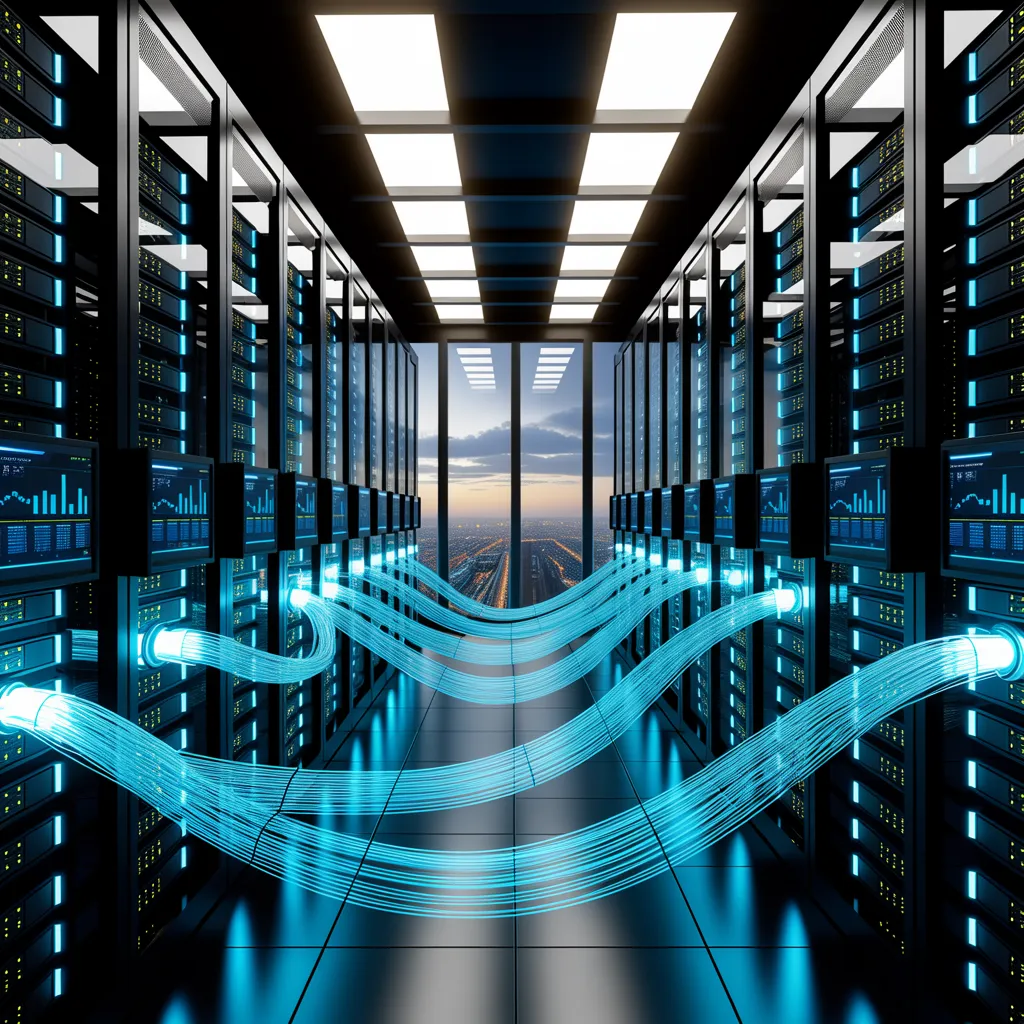
Top DCIM Solutions for 2023
As organizations more and more depend on data centers to facilitate their business activities, determining the top Data Center Infrastructure Management (DCIM) solutions for 2023 becomes vital. Top-tier DCIM services offer thorough offerings intended to enhance resource management, boost operational efficiency, and guarantee robust monitoring capabilities. Notable contenders in the market include ServiceNow, recognized for its integration capabilities, and Sunbird, which specializes in real-time visualization and reporting. Additionally, Schneider Electric delivers a powerful platform for energy management and asset tracking.
Another key competitor, Nlyte, specializes in improving data center efficiency through sophisticated analytics. These solutions not only enable improved strategic choices but also assist with forecasting future needs. As data demands continue to increase, choosing a DCIM service that offers flexibility and adaptability is essential. Ultimately, companies must evaluate their specific needs to choose the most suitable DCIM service, guaranteeing optimal performance and dependability in their data management strategies.
Grasping server facility Infrastructure administration (DCIM)
Data Center Infrastructure Management (DCIM) includes a collection of instruments and practices created to oversee, control, and enhance data center assets. By combining IT and facility management, DCIM delivers comprehensive insight into the performance and utilization of essential systems. This approach enables immediate information gathering, allowing operators to take knowledge-based actions regarding energy consumption, cooling efficiency, and space utilization.
DCIM systems frequently feature functionalities including asset tracking, capacity planning, and environmental monitoring, which work together to enhance operational efficiency. They provide data center managers the ability to spot bottlenecks, streamline workflows, and minimize spending. Furthermore, DCIM enables strategic planning for scale-up efforts and helps organizations adhere to regulatory standards. Through adopting effective DCIM approaches, data centers can gain higher reliability, better environmental practices, and greater system efficiency, in turn boosting enhanced service delivery in a dynamic digital landscape.
Critical Functions for Determining Efficient DCIM Solutions
Selecting effective Data Center Infrastructure Management (DCIM) solutions demands careful evaluation of critical capabilities that improve operational efficiency and asset optimization. Important characteristics encompass real-time tracking features, enabling instant visibility into energy consumption and environmental conditions. connectivity with current infrastructure is also essential, as seamless data exchange fosters a cohesive strategy to data management.
Scalability serves as another significant characteristic, allowing organizations to adjust as their infrastructure grows and changes. Advanced analytics can provide predictive insights, supporting proactive decision-making and reducing downtime. User-friendly interfaces improve accessibility for various stakeholders, while strong protective protocols protect sensitive data.
At last, configuration options guarantee that DCIM services can be adjusted to meet targeted operational goals. By emphasizing these essential features, businesses can determine DCIM services that not only streamline operations but also contribute to perpetual development and operational success.
Identifying the Most Appropriate DCIM Solution Designed to meet Your Requirements?
What approach can an enterprise use to choose the best DCIM solution adapted to its unique needs? The decision-making process commences with a detailed review of existing framework and operational requirements. Organizations should pinpoint specific goals, such as improving uptime, strengthening resource utilization, or optimizing capacity planning. Additionally, evaluating growth potential is vital; a solution must adapt to future growth and digital advancements.
Following that, organizations must consider compatibility features. The ideal DCIM solution should function smoothly with existing tools and platforms. User-friendliness also holds importance; clear interfaces facilitate user adoption and operational effectiveness.
Moreover, groups should examine vendor support and community engagement, as ongoing assistance and resources can be important. To summarize, running a cost-benefit analysis establishes that the selected platform complies with budget constraints while delivering the expected outcomes. By following these elements, institutions can confidently elect a DCIM solution that accommodates their particular needs and optimizes overall performance.
Applying DCIM Applications to Increase Power Optimization
Leveraging DCIM tools can greatly enhance energy efficiency within data centers. By delivering thorough understanding into power consumption and thermal dynamics, these tools enable operators to recognize inefficiencies and enhance resource management. With immediate data on energy usage, data center managers can reach informed decisions about equipment placement and thermal strategies, ensuring that energy is not wasted.
DCIM solutions also streamline automated monitoring and control of power loads, allowing for dynamic adjustments based on current demand. This agility can lead to substantial savings in energy costs. In addition, advanced analytics within DCIM tools can pinpoint areas for further advancement, promoting proactive measures rather than reactive interventions.
Integrating these instruments into daily operations nurtures a culture of relentless progress, ultimately reaching a more sustainable data center environment. The result is not only enhanced efficiency but also a smaller ecological impact, aligning with broader environmental goals.
Real-Time Monitoring : The Backbone of DCIM Achievement
Real-time observation acts as a essential component in the effectiveness of Data Center Infrastructure Management (DCIM). By delivering enhanced performance metrics, it allows for preventive problem identification and optimization of resource allocation. This feature ultimately leads to improved operational performance and reliability within data centers.
Enhanced Performance Measurements
Assessing data center operational status constitutes an urgent requirement for boosting operational efficiency and securing long-term stability. Sophisticated performance measurements communicate mission-critical data concerning multiple operational sectors, incorporating energy consumption standards, cooling performance metrics, and capacity management. Via tapping into streaming data sources, corporate entities can measure their system durability and responsiveness, enabling data-driven decisions. Monitoring indicators like server accessibility, system latency, and bandwidth utilization prove effective for trend detection and establishing resource forecasts. Simultaneously, these measures build team accountability, establishing direction for strategic efforts and budget allocation. Persistent performance analysis of system performance data benefits industry standardization versus performance benchmarks and nurtures a framework for continuous advancement. At its core, advanced measurement systems function as a structural element in strong data center management, yielding operational superiority and market positioning.
Proactive Problem Discovery
Proactive threat detection is fundamentally important in ensuring the integrity of data center operations. By utilizing live tracking systems, data centers can detect emerging threats prior to escalation into catastrophic failures. This methodology empowers teams to respond with urgency to irregularities in ambient temperature, electrical consumption, and system functionality. Perpetual observation confirms that any variations from standard parameters are highlighted instantaneously, making possible for rapid intervention. As a outcome, the overall strength of the framework is strengthened, lowering service interruptions and safeguarding service excellence. Moreover, preventive identification promotes strategic planning regarding service plans and budget distribution, in the long term boosting infrastructure productivity. Allocating investment in all-encompassing monitoring infrastructure is absolutely necessary for ensuring superior output in current complex data environments.
Resource Utilization Optimization
Competent administration of a data center's resources depends on the capacity to persistently analyze and track operational metrics. Real-time tracking serves as the foundation for enhancing resource utilization, empowering data center managers to spot inefficiencies and distribute assets effectively. By adopting advanced DCIM in-depth guide tools, organizations can acquire essential information on power consumption, cooling efficiency, and workload distribution. This data enables for more sound decision making, ensuring that resources are maximized to their fullest potential. Additionally, real-time analytics promote immediate responses to changing demands, minimizing waste and enhancing overall performance. Ultimately, effective resource utilization optimization not only improves operational efficiency but also contributes to sustainability goals, making it a indispensable component of modern data center management strategies.
Anticipated Trajectories in Data Center Infrastructure Management
As computing facilities expand to handle mounting demands for performance and output, developing patterns in Data Center Infrastructure Management (DCIM) are revolutionizing the sector. One prominent trend is the adoption of machine learning technology (AI) and machine learning, which strengthens forecasting capabilities for resource planning and energy control. These tools enable continuous monitoring and self-correcting responses to emerging challenges, substantially reducing service disruptions.
Moreover, the uptake of edge computing is accelerating a shift in DCIM frameworks, as businesses endeavor to process data closer to its source for improved speed and efficiency. This calls for advanced administrative platforms to preserve performance across distributed environments.
Sustainability is also at the forefront, with an emphasis on reducing carbon footprints and enhancing resource consumption. Finally, the rise of hybrid cloud solutions requires more sophisticated DCIM systems that can seamlessly manage both on-premises and cloud resources, providing maximum operational efficiency.
Regularly Requested Inquiries
How Can I connect DCIM With Current Data Center Systems?
To integrate DCIM with current data center systems, one should evaluate current infrastructure, guarantee compatibility, implement APIs for data exchange, and conduct thorough testing to confirm seamless operation and improved management capabilities across platforms.
What Is the Average Investment of Putting Into Action DCIM Solutions?
The investment for rolling out DCIM solutions often falls between $20,000 and $150,000, influenced by the data center's dimensions, the sophistication of the technical setup, and the requisite functionalities toward optimal management.
Do specific compliance standards apply for DCIM Services?
Certainly, specific compliance standards exist for DCIM services, such as ISO 27001 for data protection, PCI DSS for payment data security, and various environmental regulations that guide power consumption optimization and sustainability practices within data centers.
What Schedule Ought to I Follow for Updating My DCIM Software?
Updating DCIM software should occur at least annually, though quarterly updates are suggested to guarantee peak performance, improved security, and compliance with changing requirements. Routine evaluations help determine when updates are necessary for specific organizational needs.
Can DCIM Tools Facilitate Disaster Recovery Design?
DCIM tools offer substantial support in disaster recovery planning through continuous oversight, asset management, and scenario simulations. This guarantees that computing facilities are well-equipped for potential disruptions, improving overall robustness and recovery strategies.